Culture
How Latin Pop Rewrote the Rules of the Charts
Streaming numbers used to be a footnote. Now they’re the whole story — and the artists who understood that first are the ones still winning.
Streaming numbers used to be a footnote. Now they’re the whole story — and the artists who understood that first are the ones still winning.

There was a moment, not so long ago, when a song sung entirely in Spanish topping a global chart was treated as a novelty — a crossover, an exception, a headline unto itself. That framing has quietly collapsed.
The shift wasn’t sudden so much as compounding. Streaming platforms don’t care what language a chorus is in; they care about completion rates, saves, and replay value. Artists who built their fan bases on those metrics, rather than radio adds or awards-show bookings, found themselves with a structural advantage the moment the industry’s scoreboard changed.
What’s remarkable now is how unbothered the biggest acts are about explaining themselves to an English-language audience. There’s no obligatory crossover single, no diluted version for export. The music travels on its own terms, and the audience — it turns out — was always willing to meet it there.
The result is a chart landscape that looks less like a hierarchy and more like a set of overlapping rooms, each loud in its own right. It’s a more honest picture of how people actually listen. It just took the industry a while to stop pretending otherwise.
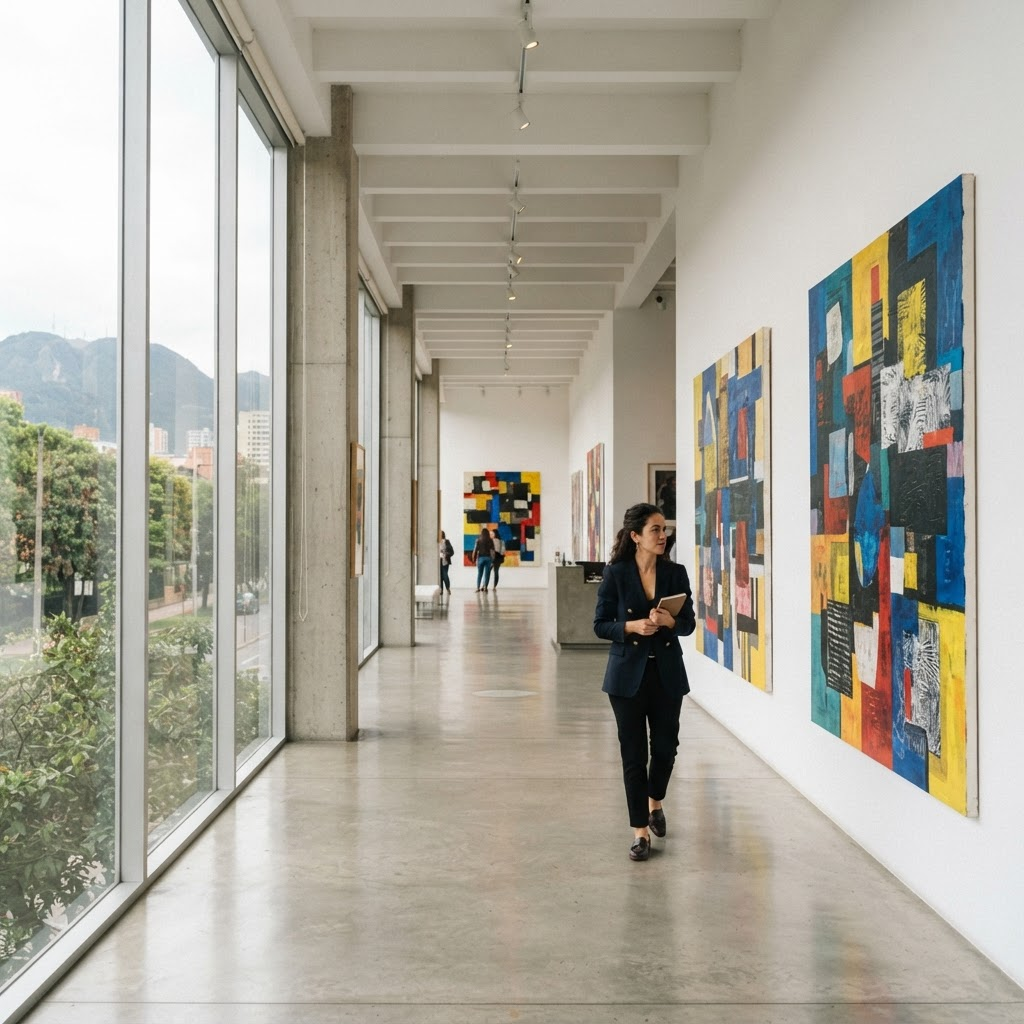
A wave of artist-run galleries is redrawing the city’s cultural map, one converted warehouse at a time.

Streaming platforms are betting on melodrama again — but this time, the writers’ rooms look nothing like they used to.
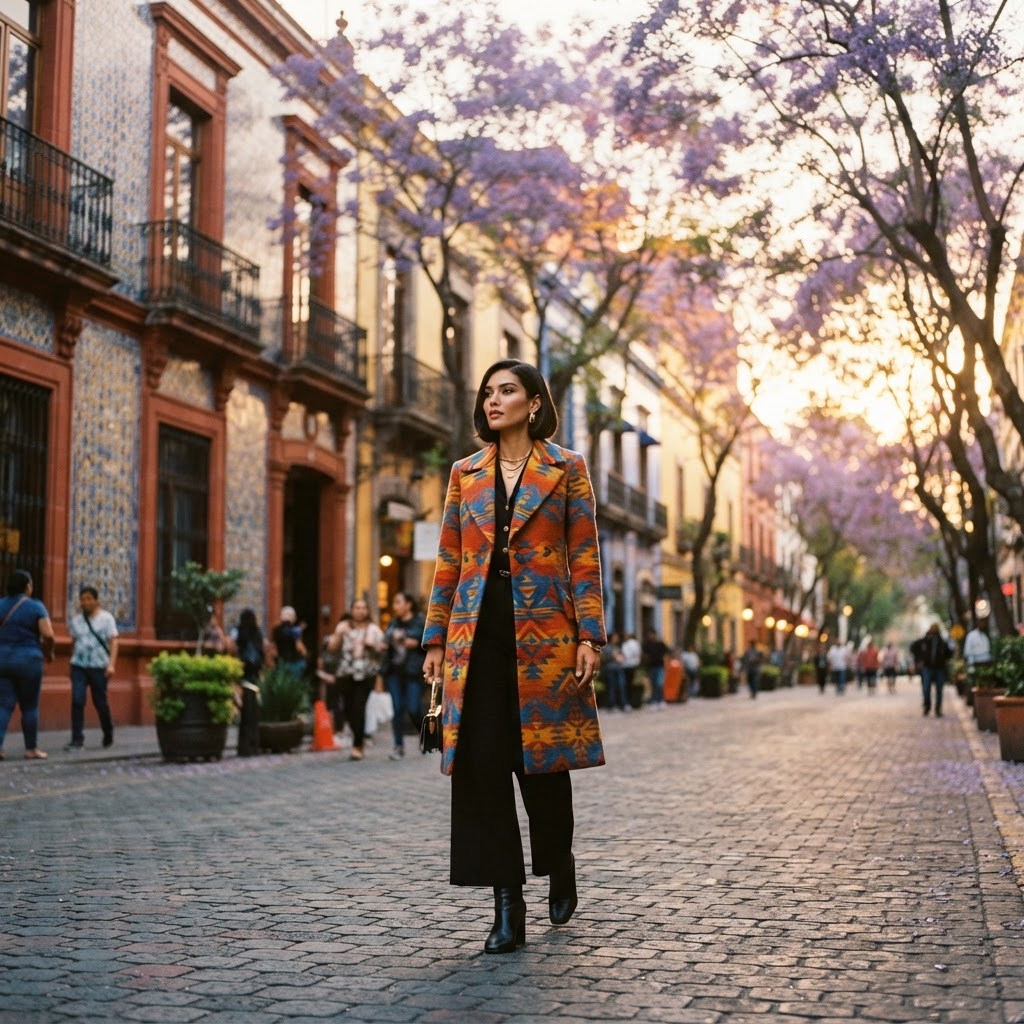
A new generation of designers, stylists, and independent labels is turning La Condesa into the industry’s most closely watched neighborhood.

The Good Hogar Letter
One dispatch a week, written by our editors. No spam, and you can unsubscribe any time.
Joined by readers across Mexico City, Bogotá, and beyond.
Read aloud isn't supported in this browser.