Latin America
Why Mexico City Is Fashion’s Next Capital
A new generation of designers, stylists, and independent labels is turning La Condesa into the industry’s most closely watched neighborhood.
A new generation of designers, stylists, and independent labels is turning La Condesa into the industry’s most closely watched neighborhood.
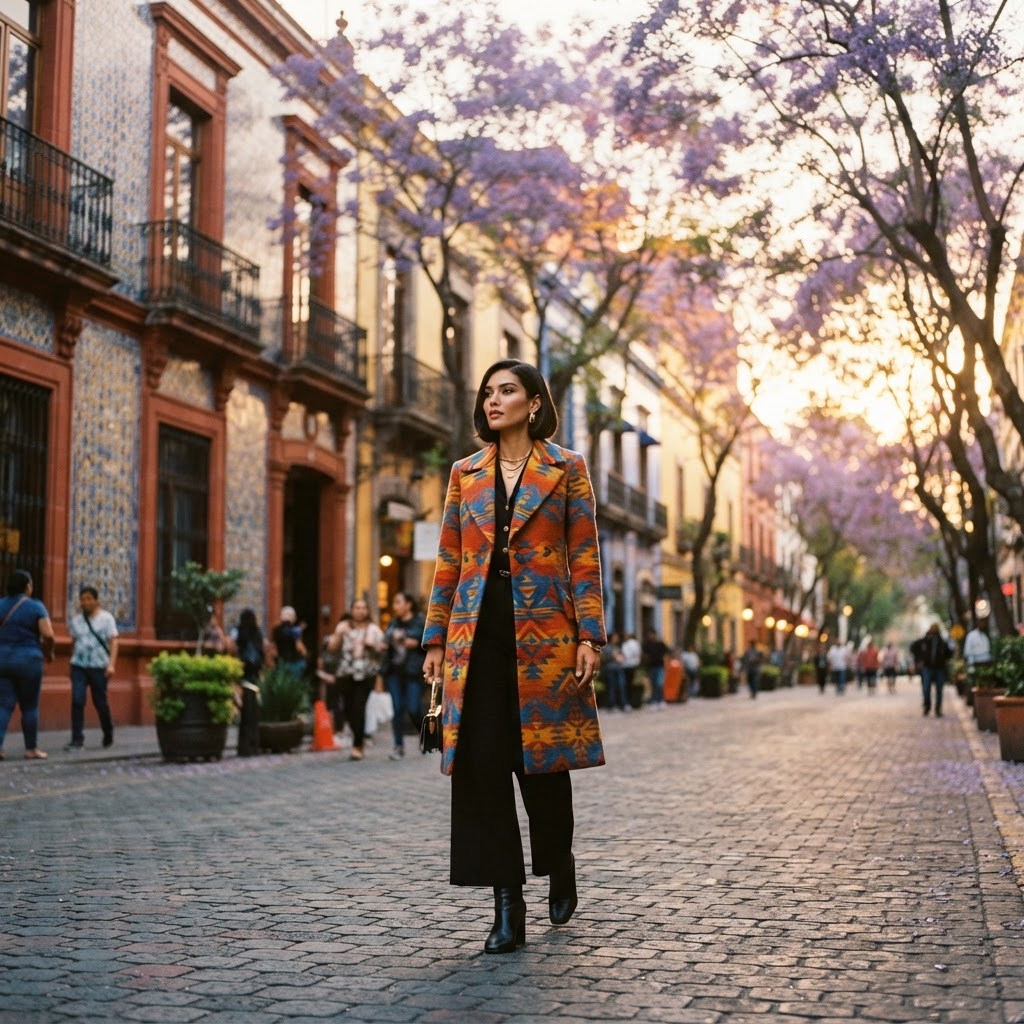
On a Tuesday afternoon in La Condesa, the sidewalk outside a converted Art Deco apartment building is doing double duty as a runway. A photographer crouches at the curb. A stylist steams a hand-embroidered huipil dress between shots. Nobody seems to be in a hurry, and that, several designers here will tell you, is precisely the point.
For the better part of a decade, Mexico City has been quietly assembling the infrastructure of a fashion capital: ateliers behind unmarked doors, a growing circuit of independent boutiques, and a cohort of stylists who have made the city’s buses and market stalls as central to their visual language as any studio backdrop.
“We stopped waiting for Paris to notice us,” one designer said. “We built the room ourselves.”
What has changed recently is scale. International buyers who once treated the city as a research trip now schedule return visits. Magazines that used to fly designers to Paris for a feature are sending photographers to them instead. And a wave of collaborations with global brands has given local ateliers a level of production capacity that was unthinkable five years ago.
None of this has come at the expense of what made the scene distinct — a fluency in craft, from backstrap-loom weaving to hand-dyed cotton, deployed without nostalgia. The clothes read as contemporary first, referential second. It is a balance the city has been rehearsing in its restaurants and its music for years, and fashion is only the latest discipline to catch up.
Ask anyone working here what the city offers that other capitals don’t, and the answer tends to be some version of room to fail. Rent is manageable. Studio space is plentiful. And an audience that has been starved of local representation on this scale is, for now, generous with its attention.
That won’t last forever. But for the designers building their labels in this window, the urgency is not to imitate what fashion capitals have already done. It’s to make something that could only have come from here.
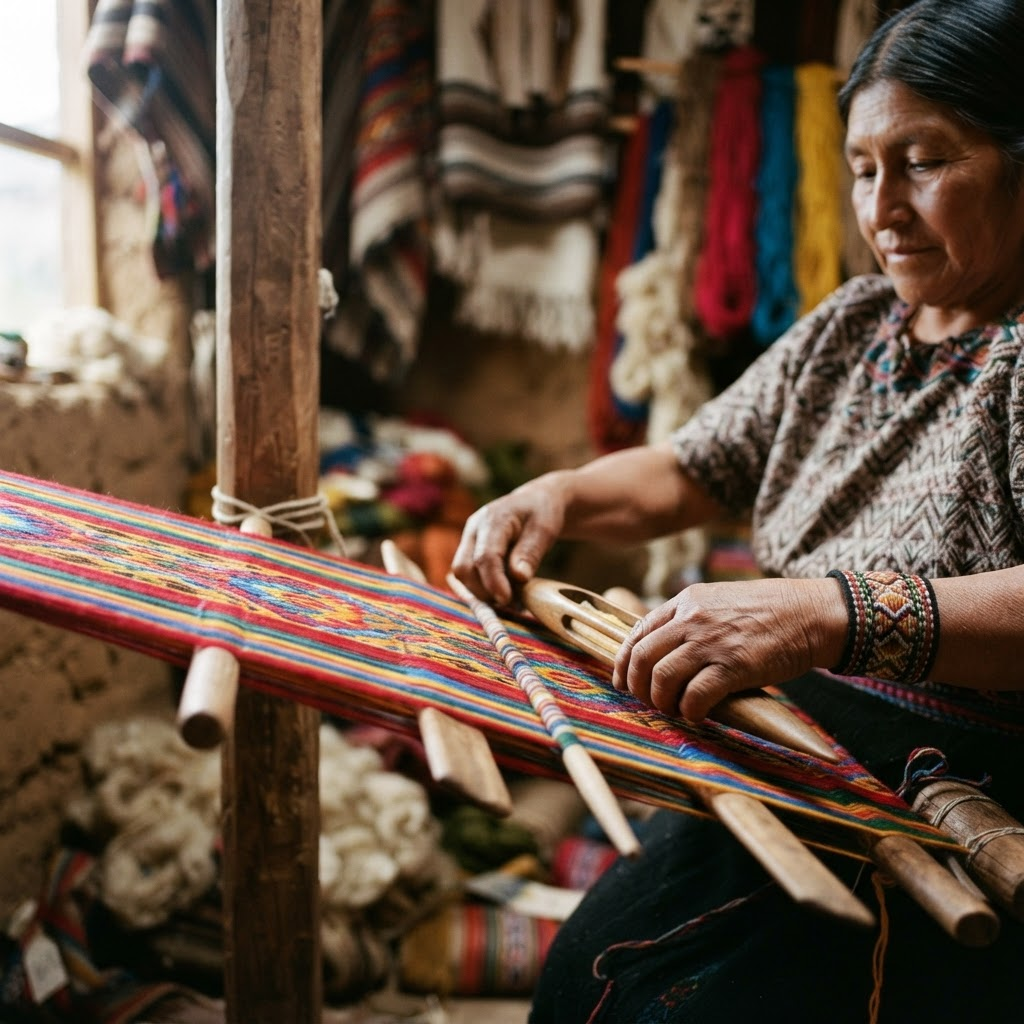
For generations, Indigenous textile makers in Ecuador sold their work through middlemen. A new cooperative is changing who gets the credit — and the profit.
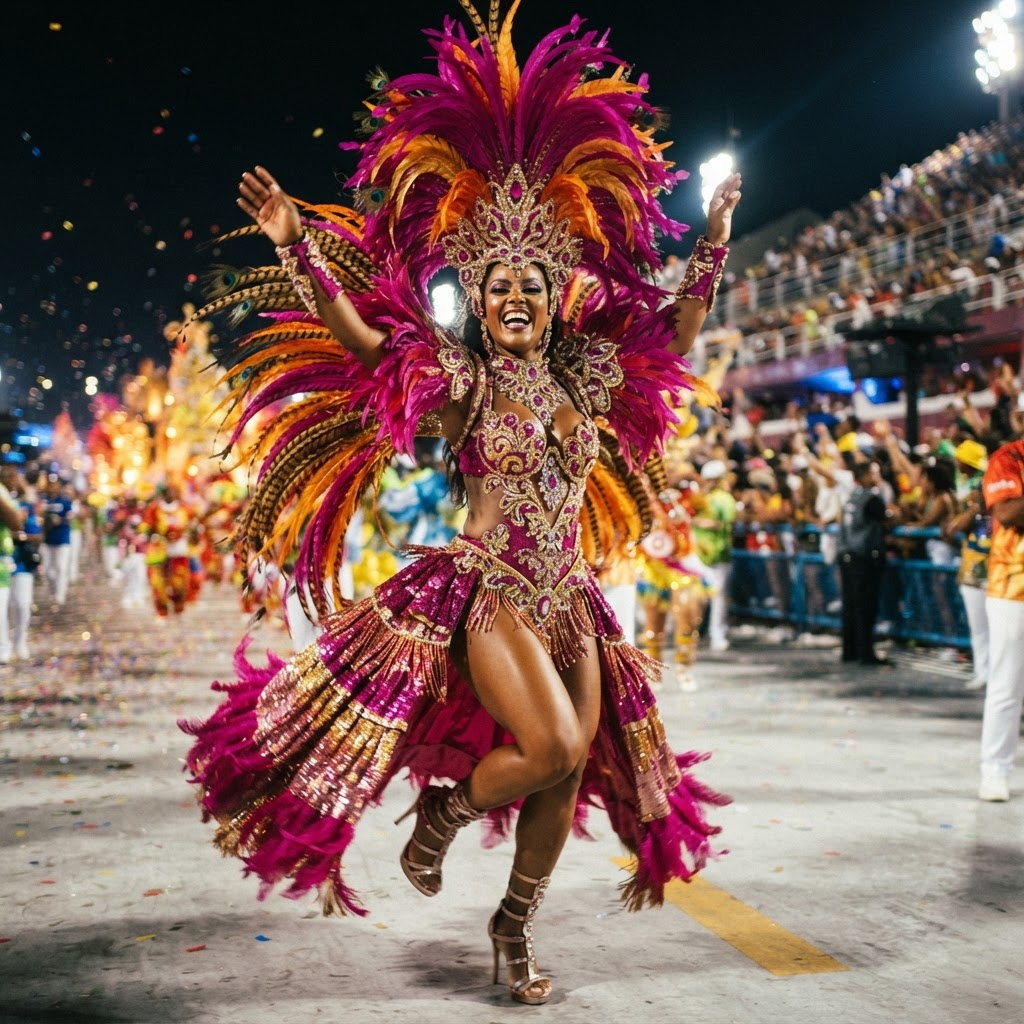
Feathers, sequins, and an unmistakable sense of scale — a report from the streets and sambadromes of Rio’s biggest week.

Streaming numbers used to be a footnote. Now they’re the whole story — and the artists who understood that first are the ones still winning.

The Good Hogar Letter
One dispatch a week, written by our editors. No spam, and you can unsubscribe any time.
Joined by readers across Mexico City, Bogotá, and beyond.
Read aloud isn't supported in this browser.