Latin America
The Weavers of Otavalo Are Reclaiming Their Craft
For generations, Indigenous textile makers in Ecuador sold their work through middlemen. A new cooperative is changing who gets the credit — and the profit.
For generations, Indigenous textile makers in Ecuador sold their work through middlemen. A new cooperative is changing who gets the credit — and the profit.
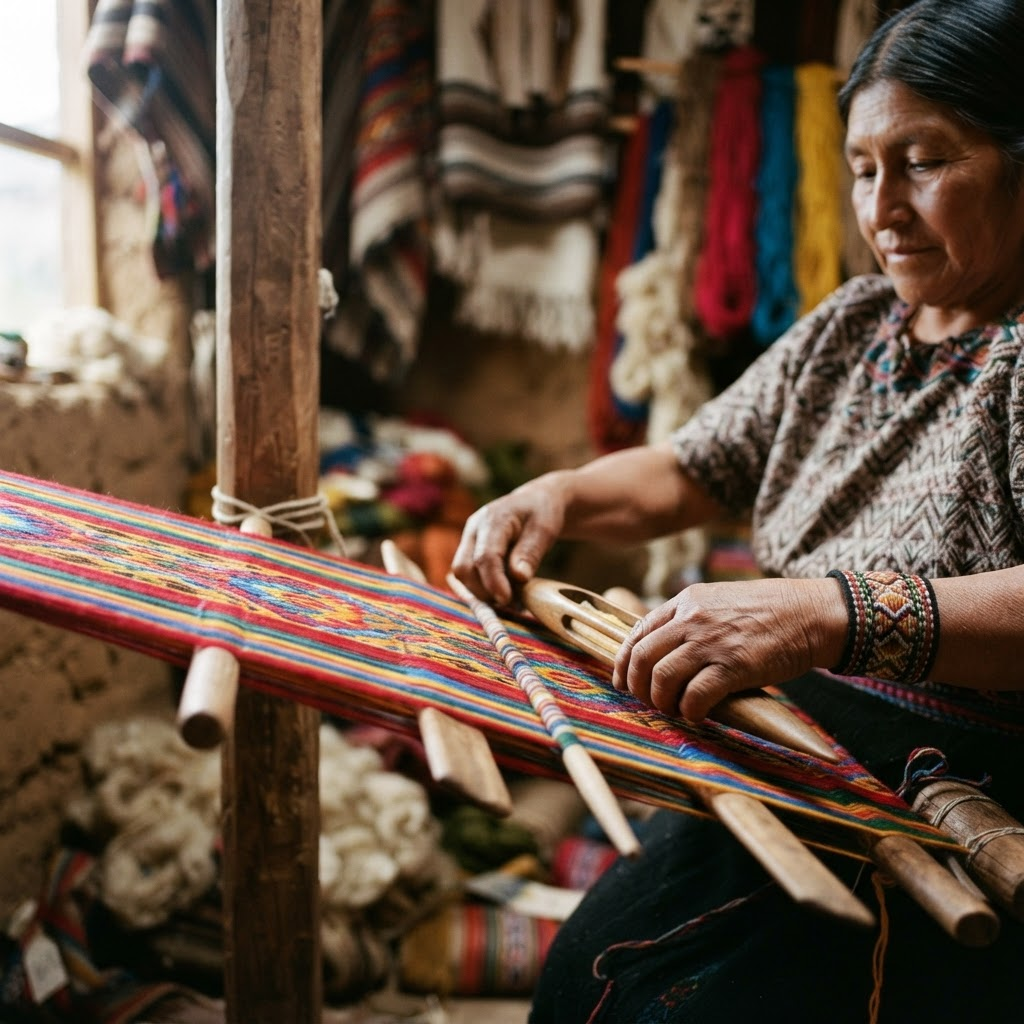
In the highland town of Otavalo, weaving is not a revival or a rediscovered tradition — it never stopped. What has changed is who controls what happens after the last thread is tied off.
For decades, most textiles produced here moved through intermediaries who bought in bulk at prices set far from the loom and resold at markups the weavers rarely saw a share of. A cooperative founded five years ago set out to change that math, connecting makers directly to international buyers and, crucially, keeping their names attached to the work.
“For the first time, our name is on the label. Not just the design ��� the name.”
The shift has been slow and, by the founders’ own account, still incomplete. But the early results are visible in small, specific ways: workshops that can now afford to train apprentices, patterns credited to the individual weaver rather than sold as generic "Andean textile," and a younger generation choosing to stay in the trade rather than leave for other work.
It is not a story about rescuing a dying craft. The craft was never dying. It is a story about who finally gets paid for keeping it alive.
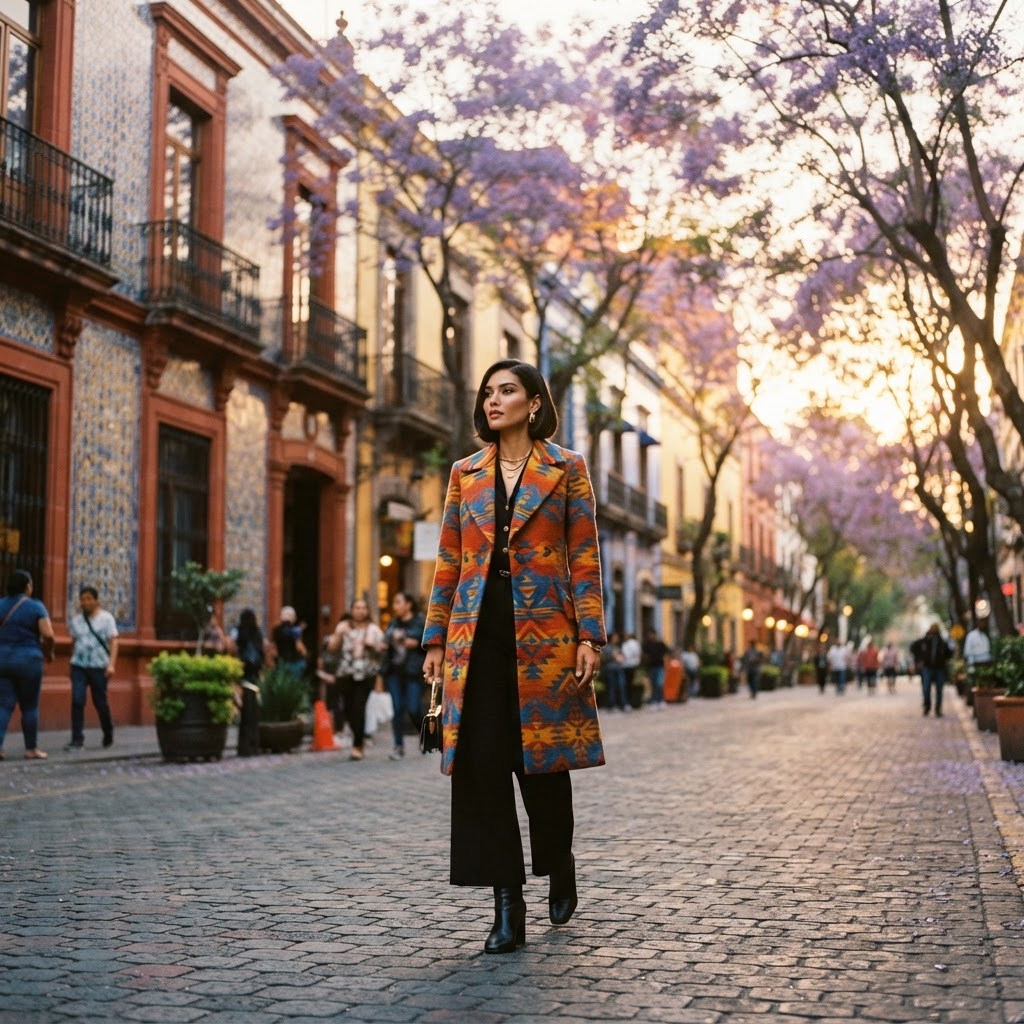
A new generation of designers, stylists, and independent labels is turning La Condesa into the industry’s most closely watched neighborhood.
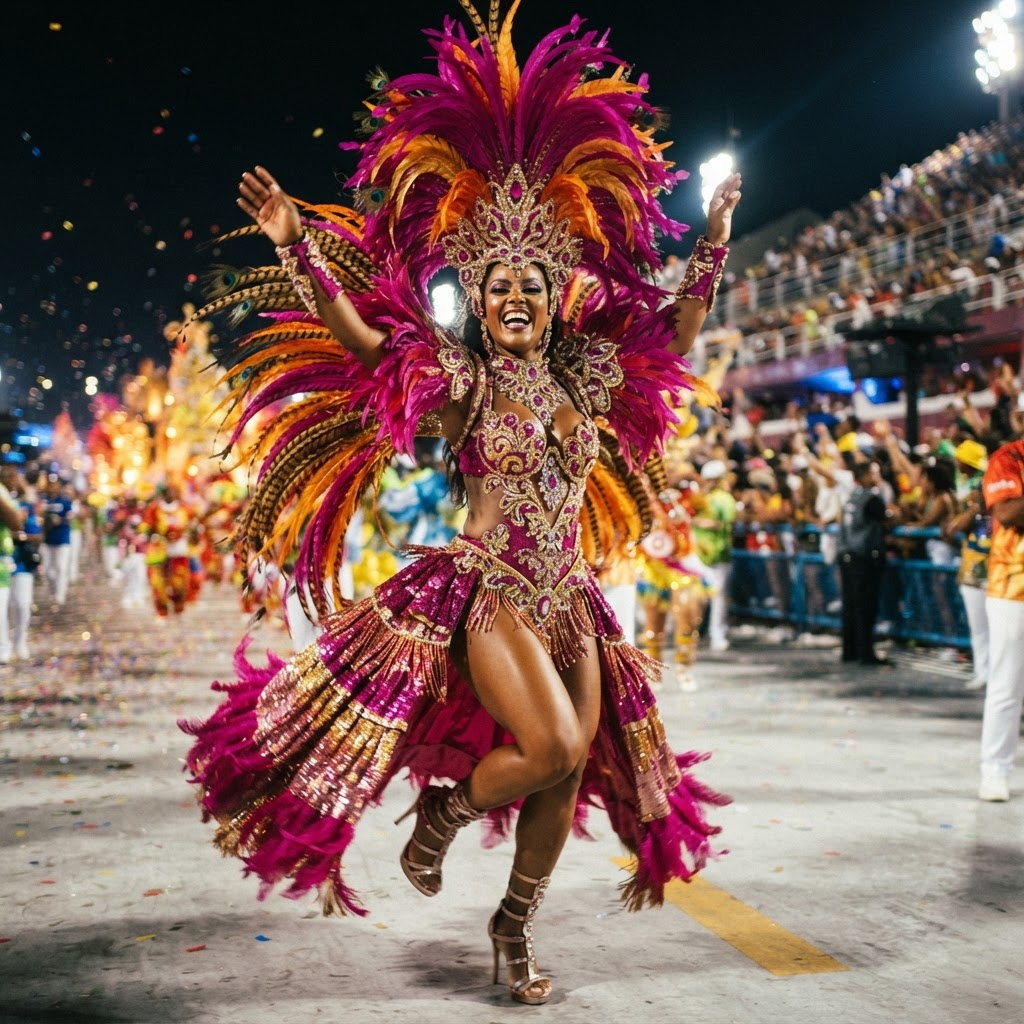
Feathers, sequins, and an unmistakable sense of scale — a report from the streets and sambadromes of Rio’s biggest week.

Streaming numbers used to be a footnote. Now they’re the whole story — and the artists who understood that first are the ones still winning.

The Good Hogar Letter
One dispatch a week, written by our editors. No spam, and you can unsubscribe any time.
Joined by readers across Mexico City, Bogotá, and beyond.
Read aloud isn't supported in this browser.