Wellness
Why Rest Is a Skill, Not a Reward
Gentle movement and deliberate stillness are having a moment — and the people who study recovery say that’s overdue.
Gentle movement and deliberate stillness are having a moment — and the people who study recovery say that’s overdue.
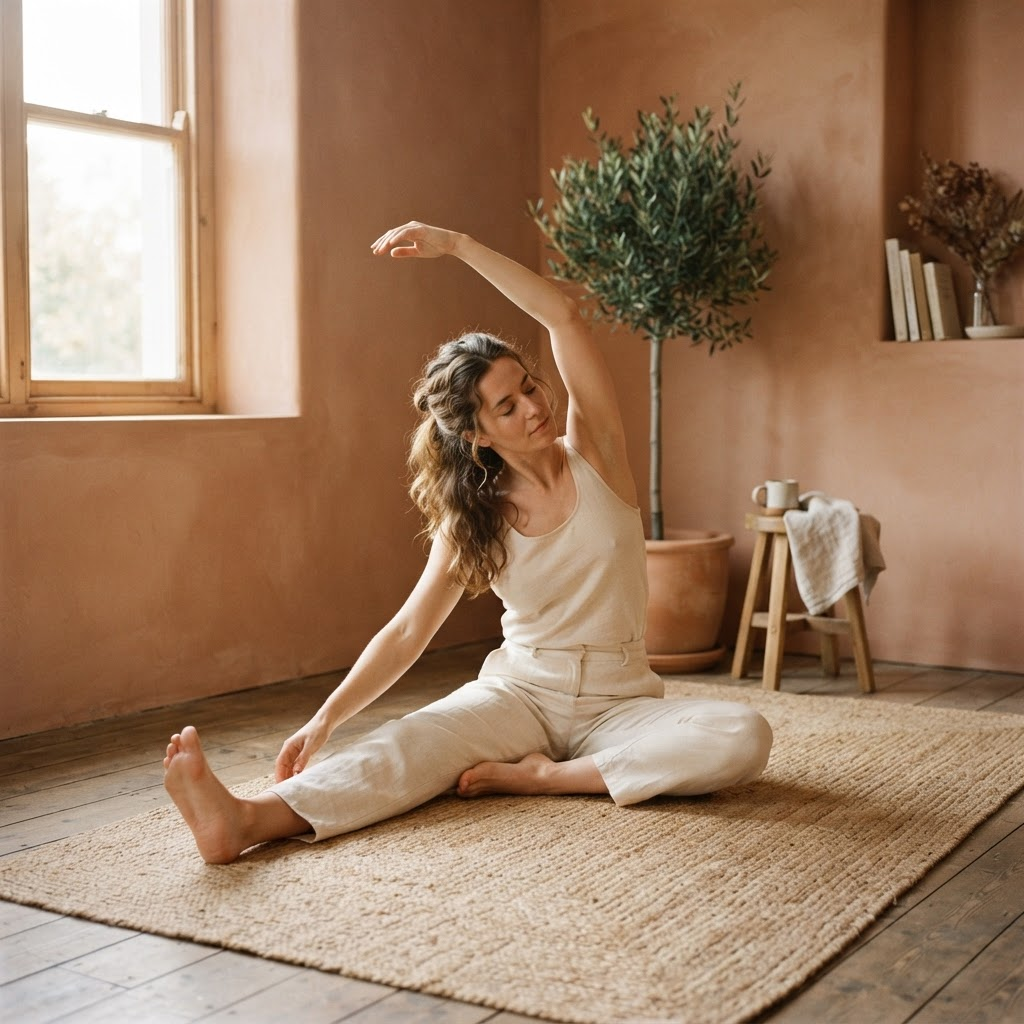
Most of us were taught to treat rest as something earned after enough output — a reward, conditional and often postponed. Recovery researchers have spent the last decade making the opposite case: rest is a skill, and like any skill, it atrophies without practice.
That reframe changes what rest looks like in practice. It’s not collapsing at the end of a depleted week. It’s built in deliberately, on a schedule, whether or not you feel you’ve earned it.
Gentle movement — slow stretching, walking without a destination, the kind of exercise that produces no soreness to prove it happened — is where most people are told to start. The absence of visible effort is the point, not a failure of intensity.
The people who are best at rest, it turns out, are not the ones with the most free time. They’re the ones who treat unstructured stillness as a practice worth protecting on purpose.

No apps, no routines with twelve steps — just the small, repeatable habit that’s actually stuck.
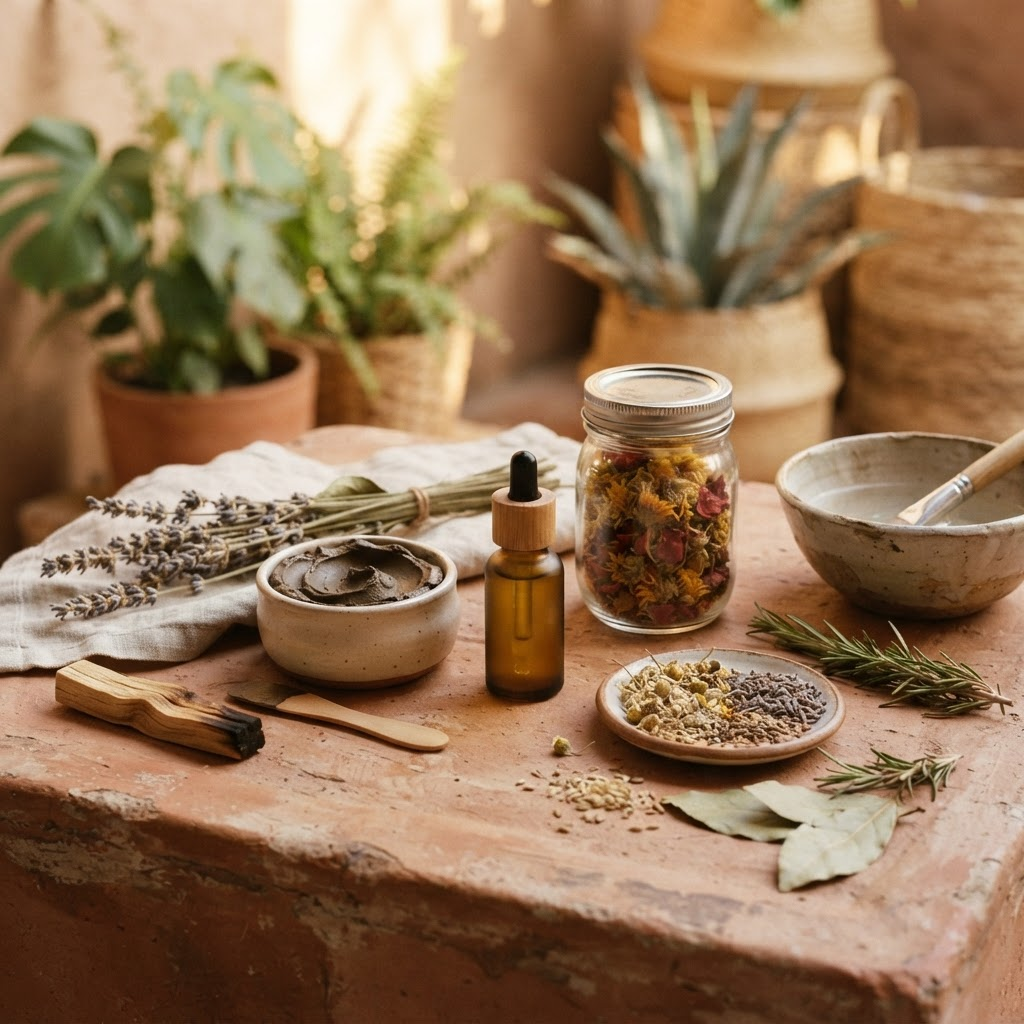
Fewer products, applied with more attention, beat a twelve-step routine every time. A dermatologist and three editors make the case.

A new generation of designers, stylists, and independent labels is turning La Condesa into the industry’s most closely watched neighborhood.

The Good Hogar Letter
One dispatch a week, written by our editors. No spam, and you can unsubscribe any time.
Joined by readers across Mexico City, Bogotá, and beyond.
Read aloud isn't supported in this browser.